
Xing Lab markXing LabFudan University

Research

Metabolomics & Xenobiotic Metabolism

We aim to map the small molecules in our bodies and understand how food, microbes, and the environment shape them.

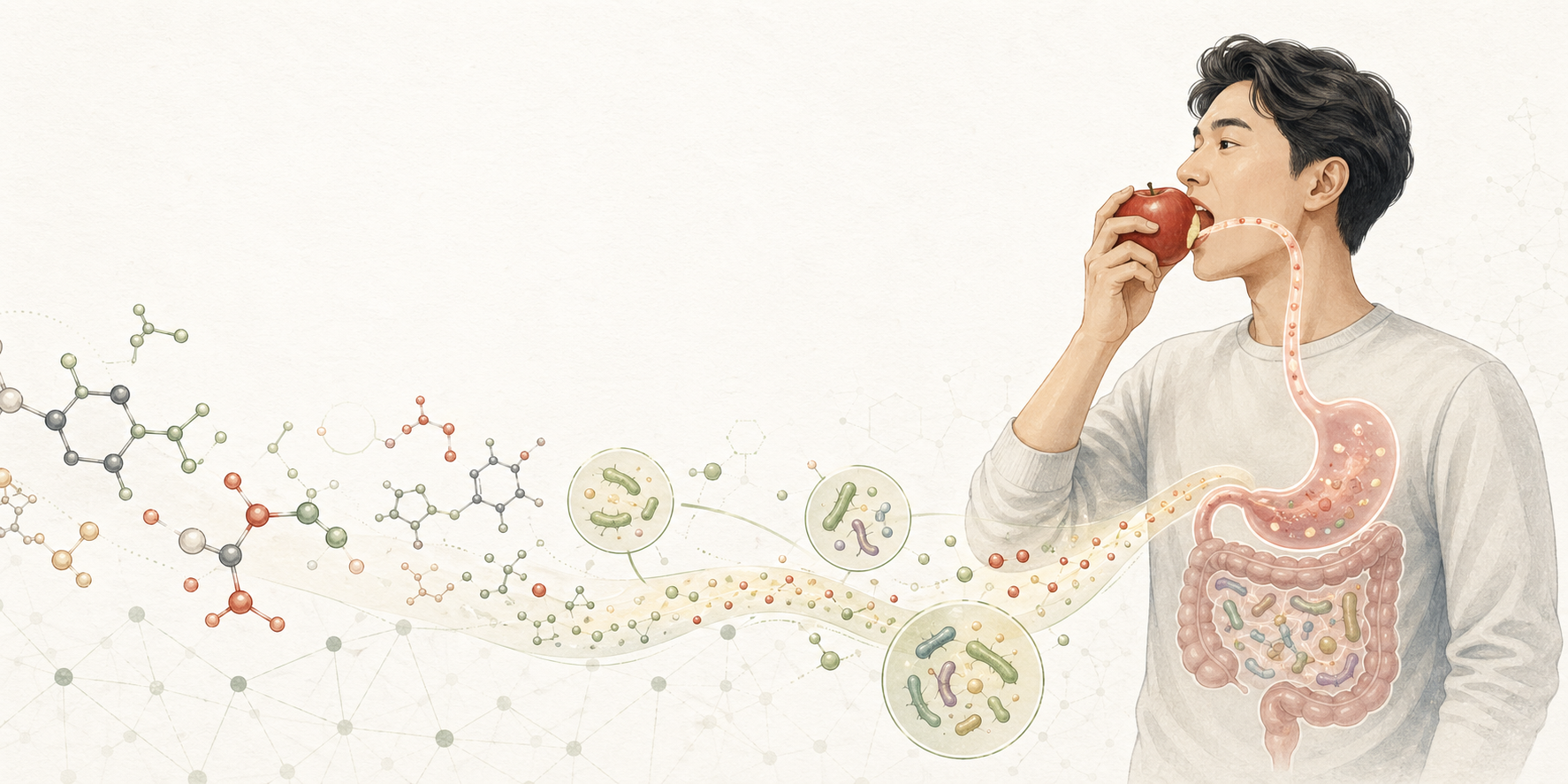
Scientific illustration of apple-derived molecules moving through digestion and microbial metabolism.

Image generated by AI

Research directions

When you eat an apple, which molecules become you, which fuel you, which feed your microbes, and which leave you?

To answer this question, our lab links computational innovation, open-data mining, and experimental metabolomics to annotate and discover small molecules, with a focus on understanding xenobiotic metabolism. Together, these directions turn complex mass spectrometry data into reusable biochemical insight.

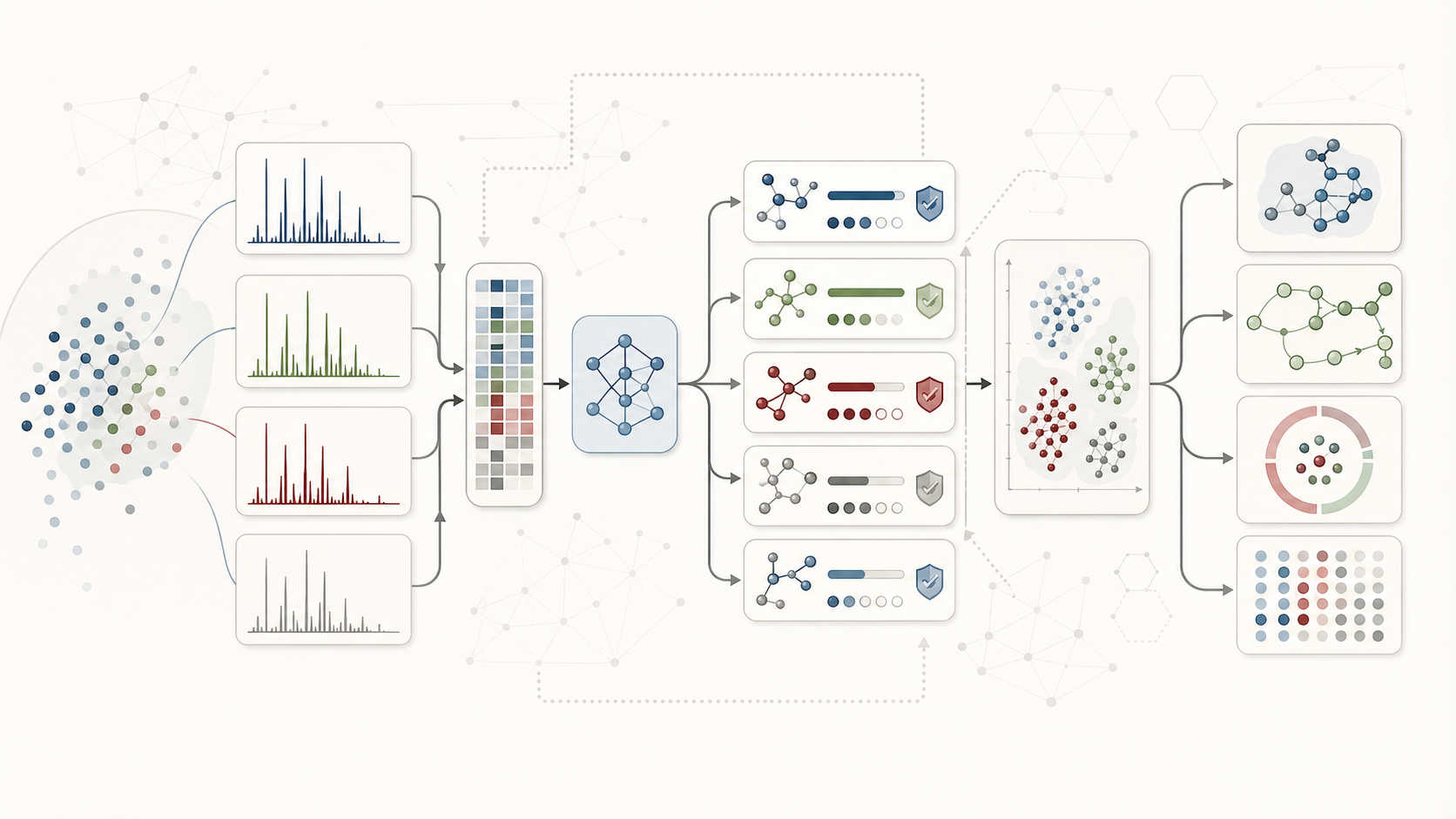
Scientific illustration for Mass Spectrometry Informatics.

Image generated by AI

01

Mass Spectrometry Informatics

Mass spectra encode rich structural information, but much of it remains difficult to translate into chemical knowledge. We build computational workflows for MS/MS interpretation, molecular discovery, and AI-assisted pattern recognition to improve annotation of known and unknown metabolites at scale.

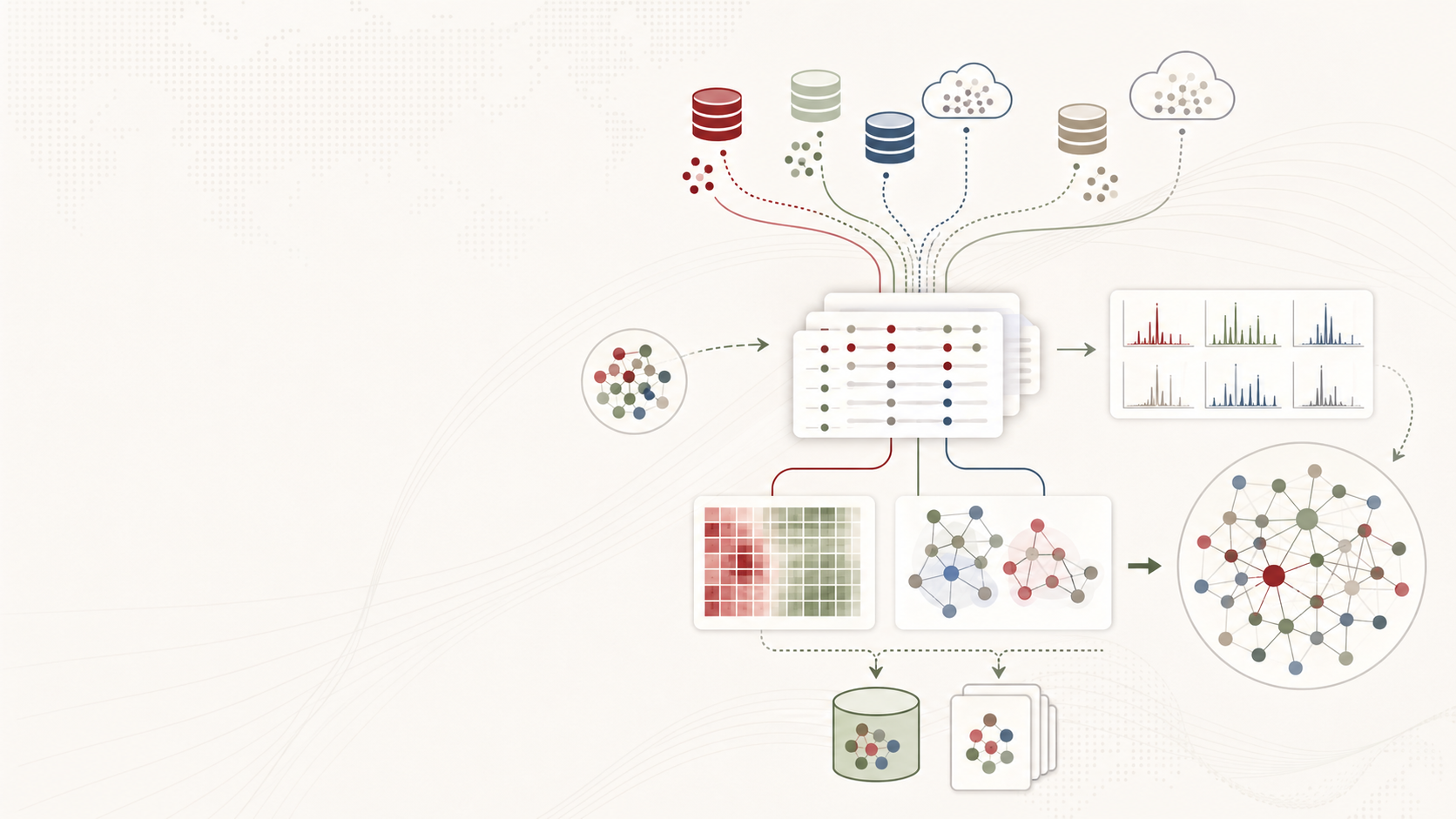
Scientific illustration for Repository-Scale Public Data Mining.

Image generated by AI

02

Repository-Scale Public Data Mining

Public metabolomics repositories contain thousands of experiments, millions of data files, and billions of mass spectra that can answer questions beyond their original designs. We develop workflows for repository-scale reanalysis, spectral search, and library propagation so open MS data can reveal recurring molecular signatures, exposure patterns, and unknown chemistry.

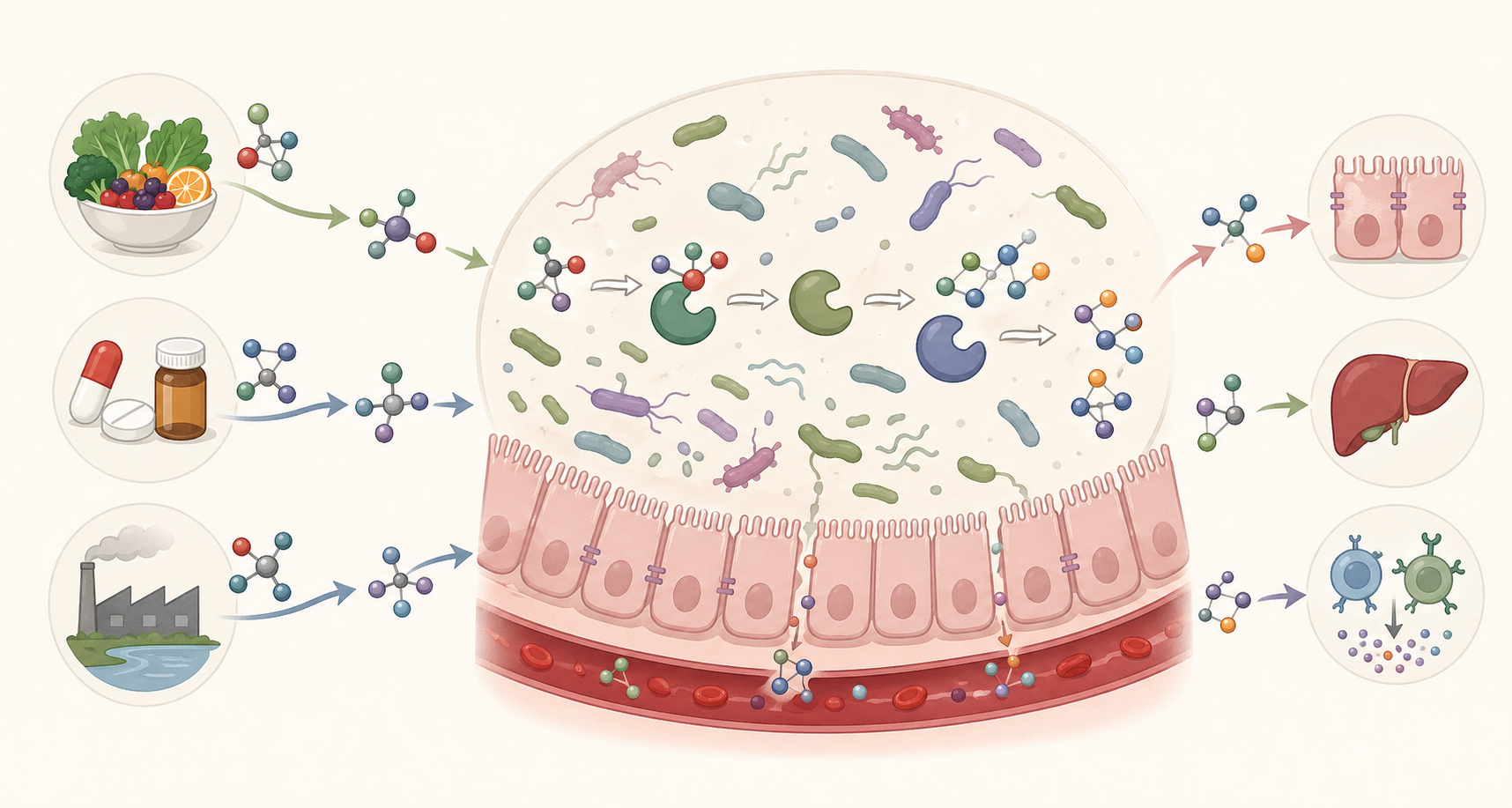
Scientific illustration for Microbial Metabolism of Xenobiotics.

Image generated by AI

03

Microbial Metabolism of Xenobiotics

Microbes transform dietary compounds, drugs, pollutants, and other xenobiotics into products that can alter exposure, activity, and biological response. Yet we still know little about the full scope of xenobiotic metabolism: a single molecule can give rise to tens or hundreds of derivatized metabolites, and mapping these products is the starting point for downstream studies of mechanism, function, and health impact.